Pricing Margin Calculator

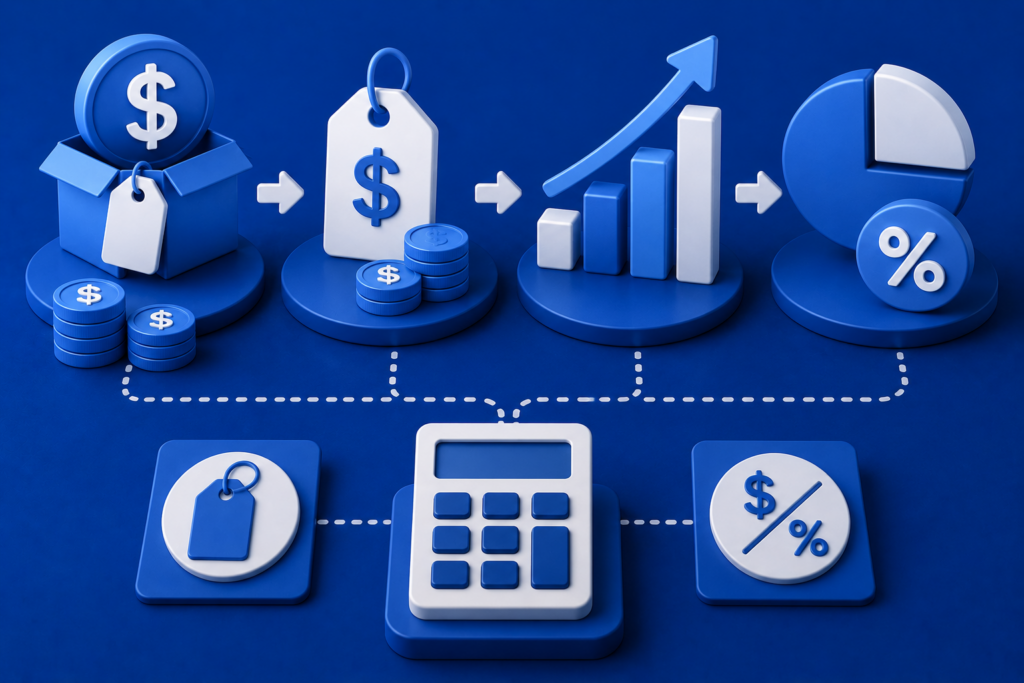
profit margin mark up image

Pricing Margin Calculator

Calculate ideal pricing margins to maximize profits, improve competitiveness, and strengthen business growth.

How Pricing Margin Works

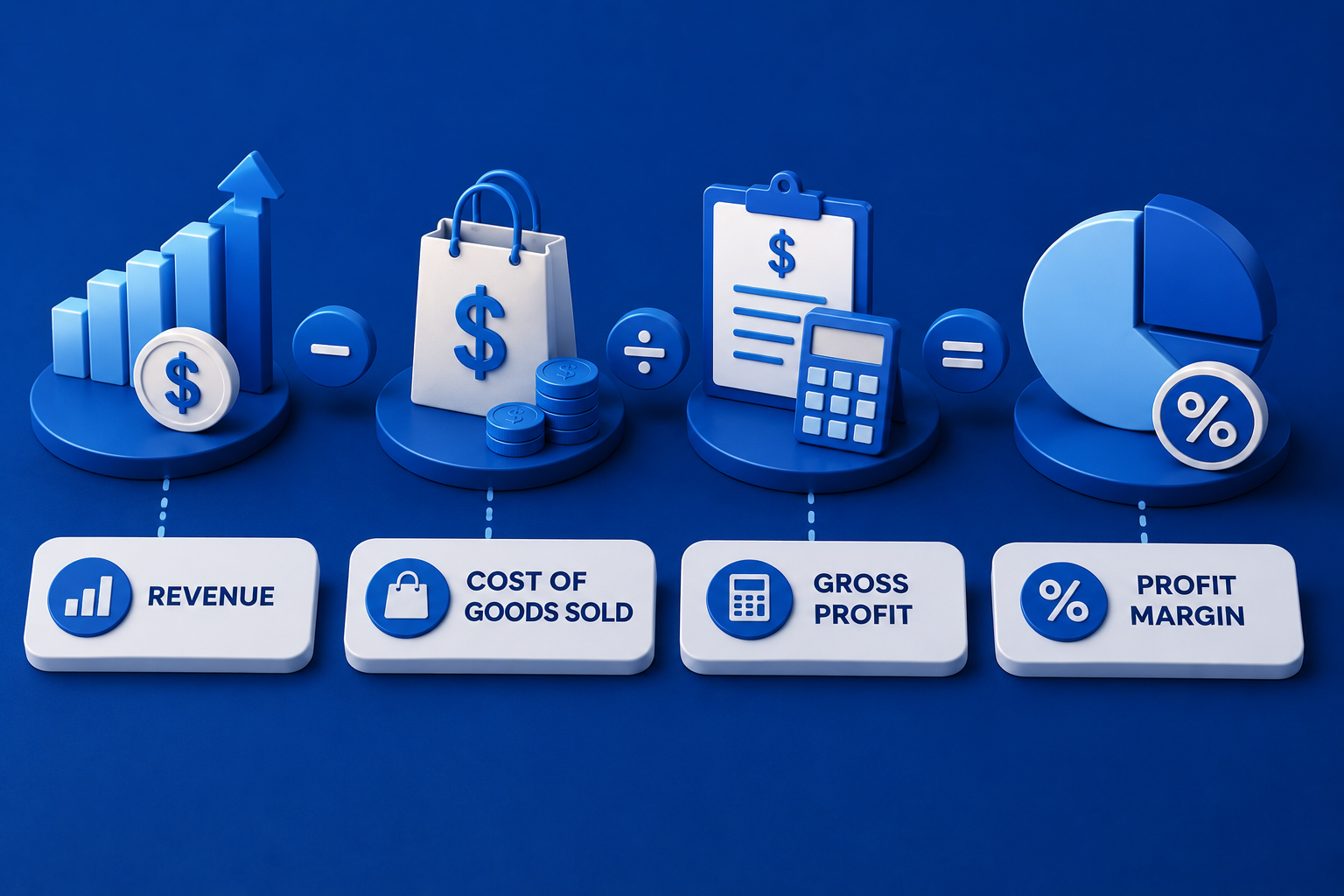
Pricing margin shows how much profit your business keeps from each sale after subtracting product or service costs. It helps you determine whether your pricing is strong enough to cover expenses, support growth, and generate sustainable profit.

Margin vs. Markup Explained

Margin 
Profit as a percentage of selling price.

Markup
Profit as a percentage of cost.

Understanding Pricing Margin

Enter Cost

This is your per-unit cost, including raw materials, production expenses, or supplier shipping costs.

Enter Selling Price

The price your customers pay

Get Instant Results

Your Selling Price, Profit $, and Gross Margin %

5 Tips for Determining the Right Pricing Margin

1. Know Your Total Costs
Calculate all direct and indirect expenses, including production, shipping, labor, marketing, and overhead, to ensure your pricing covers costs while maintaining profitability.

2. Research Your Market
Analyze competitor pricing, customer expectations, and industry standards to position your pricing competitively without undervaluing your products or services.

3. Define Your Profit Goals
Set clear target profit margins based on your business growth objectives, operating costs, and long-term financial strategy.

4. Understand Customer Perceived Value
Price according to the value customers associate with your product or service, not just your costs. Premium positioning can justify stronger margins.

5. Test and Adjust Regularly
Monitor sales performance, conversion rates, and profit margins over time. Strategic price testing can help you optimize profitability without sacrificing demand.

Bottom Line:
The right pricing margin balances profitability, competitiveness, and customer value—helping your business grow sustainably while maximizing returns.

Your Pricing Margin Frequently Asked Questions

Pricing margin is the percentage of profit earned from a product or service after subtracting costs from the selling price. It helps businesses determine profitability and pricing effectiveness.

Pricing margin is calculated by subtracting total costs from the selling price, dividing that amount by the selling price, and multiplying by 100.

Formula:
((Selling Price – Cost) / Selling Price) × 100

Margin is based on selling price, while markup is based on product cost. Margin measures profitability as a percentage of revenue, while markup determines how much you add to costs when setting prices.

Pricing margin helps businesses ensure products are profitable, cover operating expenses, remain competitive, and support sustainable business growth.

A good pricing margin depends on industry standards, competition, and business model, but many businesses aim for margins that balance profitability with market competitiveness.

You can improve pricing margin by:

  • Increasing prices strategically
  • Lowering production or supply costs
  • Reducing overhead expenses
  • Improving operational efficiency
  • Offering higher-value products or services

Pricing margins should be reviewed regularly, especially when costs, market demand, competitor pricing, or economic conditions change, to ensure continued profitability and competitiveness.

Book Financial Strategy Session

Get expert support and clarity, without the stress.