
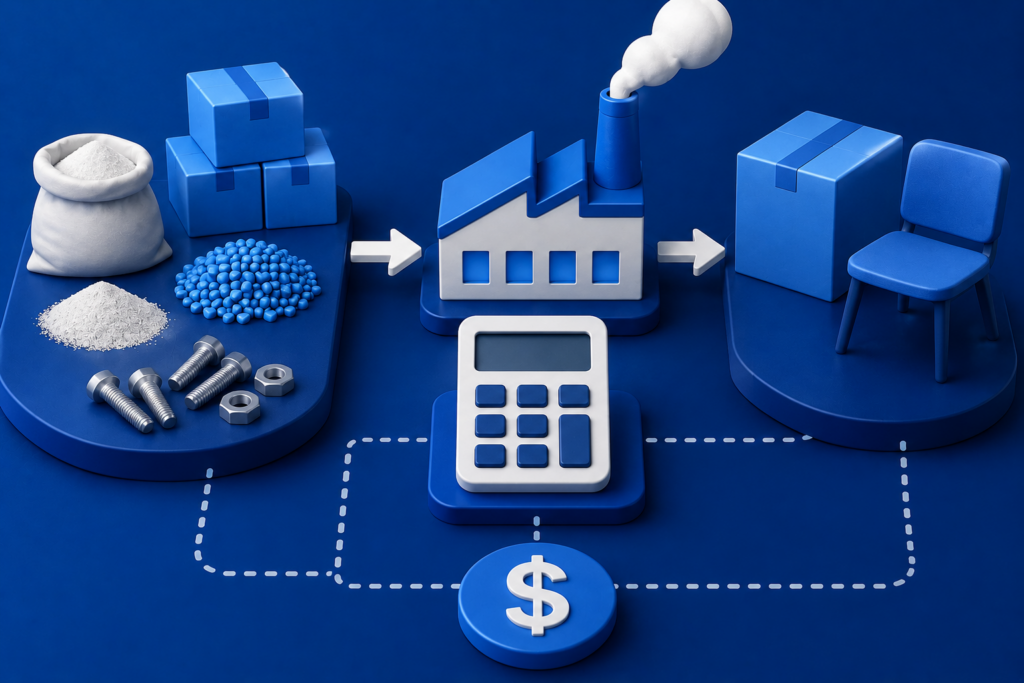
Cost of Goods Sold (COGS) Calculator
Calculate total production costs accurately to control expenses, improve pricing strategy, and maximize profit margins.
Cost of Goods Sold Calculator
Enter your inventory values to calculate COGS.
COGS Results
View your estimated COGS and visual breakdown.
Understanding Cost of Goods Sold Calculator
Opening Inventory
The total value of inventory or stock your business has on hand at the beginning of an accounting period.
Purchases
The total cost of inventory, raw materials, or products purchased during the accounting period for resale or production.
Closing Inventory
The total value of unsold inventory or stock remaining at the end of the accounting period.
Why COGS Is Critical for Business Profitability
Cost of Goods Sold (COGS) directly affects your gross profit, pricing strategy, and overall business profitability. By accurately tracking COGS, businesses can better understand production expenses, optimize pricing, improve margins, and make smarter operational decisions. Monitoring COGS is essential for controlling costs, maximizing profits, and maintaining long-term financial health.
Improves pricing accuracy
Supports profit margin optimization
Identifies operational inefficiencies
Strengthens budgeting
Enhances tax reporting
Helps scale profitability
Controlling COGS Key Benefits
What's Included vs. Excluded in COGS Costs
Expenses Are Included in COGS?
- Raw materials
- Product manufacturing costs
- Direct labor
- Inventory purchases
- Factory overhead directly tied to production
- Packaging
- Shipping from supplier
- Storage related to production
- Wholesale product purchases
Expenses Excluded from COGS
- Marketing expenses
- Administrative salaries
- Office rent
- Sales commissions
- Legal fees
- Software subscriptions
- Corporate taxes
- Interest expenses
- General overhead not tied to production
7 Strategies to Reduce Cost of Goods Sold
1. Negotiate Better Supplier Pricing
Lower raw material costs through bulk purchasing or vendor negotiation.
2. Improve Inventory Management
Reduce waste, spoilage, and overstocking.
3. Streamline Production Processes
Increase efficiency and reduce labor waste.
4. Source Alternative Suppliers
Find more competitive pricing without sacrificing quality.
5. Reduce Shipping Costs
Optimize logistics and transportation.
6. Automate Operations
Cut labor costs and improve consistency.
7. Focus on Higher-Margin Products
Prioritize products with stronger profitability.
2026 Average COGS Benchmarks by Industry
Disclaimer: Benchmarks vary based on company size, market conditions, and geography.
Your COGS Frequently Asked Questions
What is included in COGS?
COGS includes all direct costs associated with producing or purchasing the goods your business sells. This typically includes raw materials, inventory purchases, direct labor, manufacturing expenses, packaging, and supplier shipping costs.
Is labor part of COGS?
Yes, direct labor involved in producing goods or delivering services can be included in COGS. This includes wages for employees directly tied to manufacturing or production, but not administrative or sales staff.
Does shipping count toward COGS?
Shipping costs from suppliers to your business or production facility are generally included in COGS because they are directly tied to acquiring inventory. Customer delivery or outbound shipping is usually treated separately as an operating expense.
How does COGS affect taxes?
COGS reduces your gross income, which lowers taxable business income. Properly tracking COGS can help businesses accurately report profits and potentially reduce tax liabilities.
Can COGS be reduced?
Yes. Businesses can lower COGS by negotiating supplier pricing, improving inventory management, reducing waste, streamlining production, automating operations, and sourcing more cost-effective materials.
What is a good COGS percentage?
A good COGS percentage varies by industry, but generally lower COGS relative to revenue means higher gross profit margins. Comparing your COGS percentage to industry benchmarks provides the best measure of performance.
How often should COGS be tracked?
COGS should ideally be tracked monthly, quarterly, and annually to monitor profitability, manage costs, optimize pricing, and maintain accurate financial reporting. Regular tracking helps businesses respond quickly to cost fluctuations.
Related Business Calculators
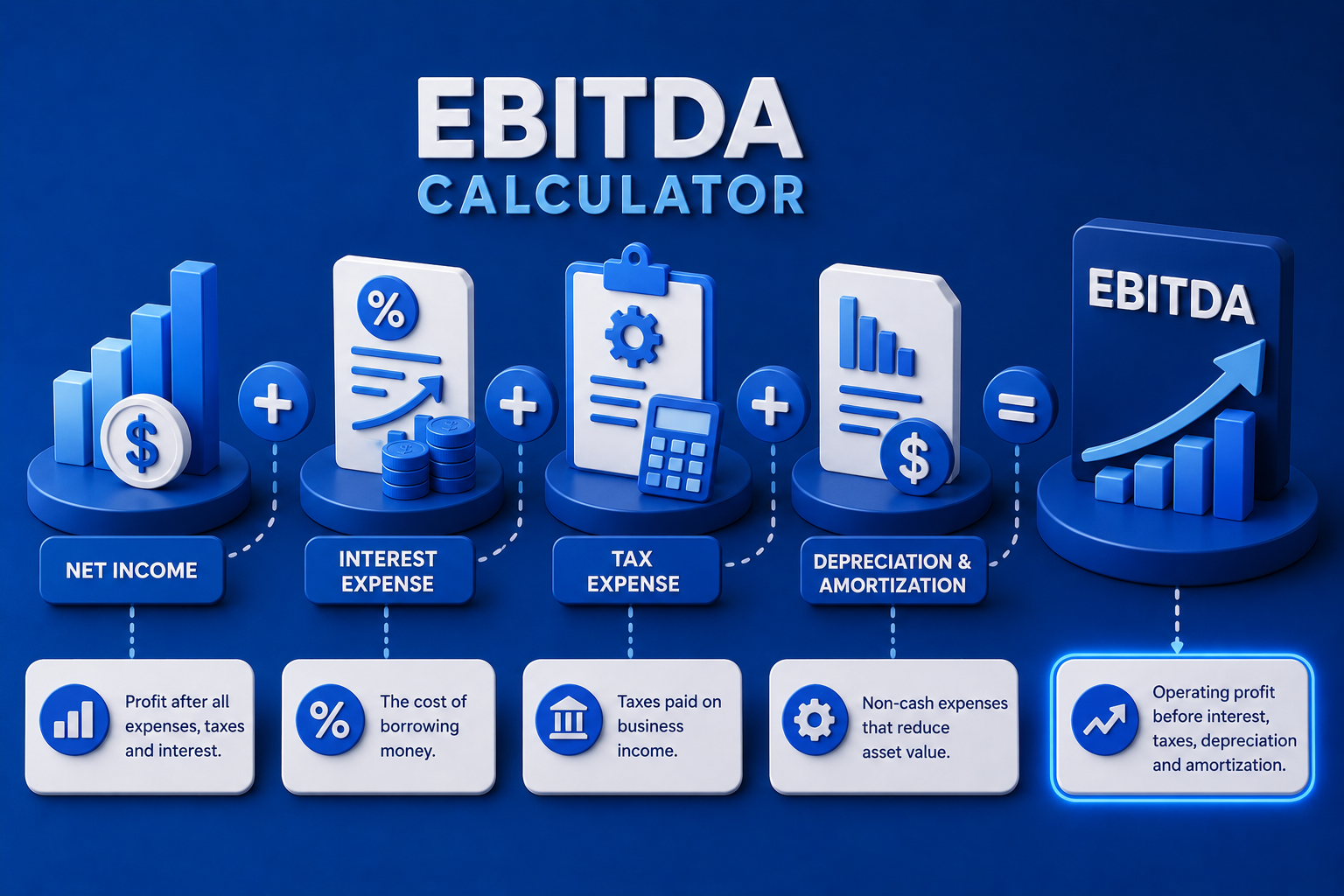
EBITDA Calculator
Calculate EBITDA quickly to evaluate operational performance, improve financial strategy, and measure true business profitability.
Profit Margin Calculator
Instantly calculate gross, operating, and net profit margins to optimize pricing, improve profitability, and grow smarter.
Capital Gains Tax Calculator
Estimate your Canadian capital gains tax in seconds. Calculate your taxable gain, estimated tax payable, and after-tax proceeds using current Canadian capital gains tax rules for every province and territory.
Book Financial Strategy Session
Get expert support and clarity, without the stress.
