
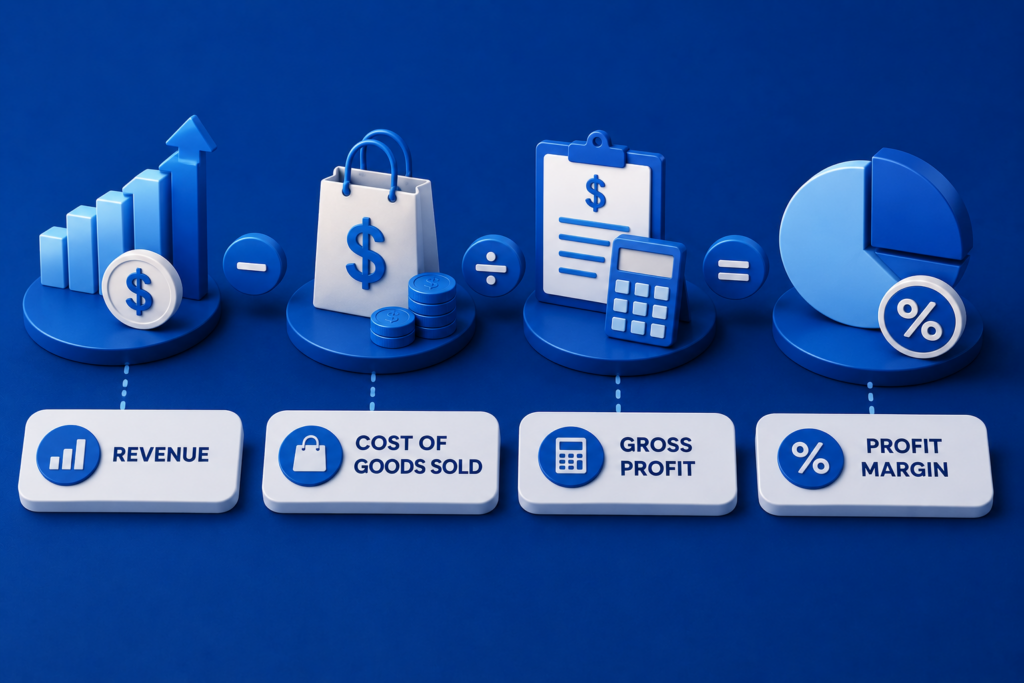
Profit Margin Calculator
Instantly calculate gross, operating, and net profit margins to optimize pricing, improve profitability, and grow smarter.
How Profit Margins Improve Financial Decision-Making
Profit margins provide critical insight into how efficiently your business generates profit from revenue, making them essential for smarter financial decision-making. By analyzing gross, operating, and net profit margins, business owners can better understand pricing effectiveness, cost management, and overall profitability. Strong profit margin analysis helps identify areas where expenses can be reduced, pricing strategies can be optimized, and operational efficiency can be improved. This data-driven approach supports more informed budgeting, investment planning, and growth strategies while helping businesses remain competitive and financially sustainable. Ultimately, understanding profit margins allows entrepreneurs to make strategic decisions that maximize profitability and long-term success.
Gross Margin vs. Net Margin
Gross margin and net margin are both important profitability metrics, but they measure different aspects of business performance. Gross margin reflects the percentage of revenue remaining after subtracting the direct costs of producing goods or services, also known as the cost of goods sold (COGS). It helps evaluate pricing strategy and production efficiency.
Net margin, on the other hand, measures the percentage of revenue left after all business expenses are deducted, including operating costs, taxes, interest, and other overhead expenses. While gross margin shows how efficiently a business produces and sells its offerings, net margin provides a more complete picture of overall financial health and true profitability. Together, these metrics help business owners make smarter decisions about pricing, cost control, and long-term growth.
Gross Margin =
(Revenue – Cost of Goods Sold) / Revenue
Net Margin =
(Revenue – All Expenses) / Revenue
Strategies for Improving Profit Margins
1. Optimize Pricing Strategy
Regularly review your pricing to ensure it reflects your value, market demand, and operating costs. Even small price adjustments can significantly increase profitability without drastically affecting sales volume.
2. Reduce Cost of Goods Sold (COGS)
Negotiate better supplier rates, streamline production processes, or source materials more efficiently to lower direct costs and improve gross margins.
3. Control Operating Expenses
Monitor overhead costs such as payroll, software subscriptions, marketing spend, and administrative expenses to eliminate waste and improve net margins.
4. Focus on High-Margin Products or Services
Identify your most profitable offerings and prioritize them in your sales and marketing efforts to maximize revenue efficiency.
5. Improve Operational Efficiency
Automate repetitive tasks, refine workflows, and invest in systems that increase productivity while reducing labor or administrative costs.
By consistently managing pricing, expenses, and efficiency, businesses can strengthen profitability and support sustainable long-term growth.
Your Profit Margin Questions Answered
What is profit margin?
Profit margin is a financial metric that measures how much profit your business keeps from total revenue after expenses are deducted. It is expressed as a percentage and helps evaluate overall profitability and operational efficiency.
How do you calculate profit margin?
Profit margin is calculated by subtracting total costs from revenue, dividing the profit by revenue, and multiplying by 100.
Formula:
(Net Profit / Revenue) × 100
What is the difference between gross profit margin and net profit margin?
Gross profit margin measures profitability after subtracting only direct production costs (COGS), while net profit margin includes all expenses such as operating costs, taxes, and interest, giving a fuller picture of total profitability.
Why is profit margin important for businesses?
Profit margin helps businesses assess pricing strategies, control costs, improve operational efficiency, and make smarter financial decisions that support long-term growth.
What is considered a good profit margin?
A good profit margin varies by industry, but generally:
- 5% = Low
- 10% = Healthy
- 20%+ = Strong
Comparing margins to industry benchmarks provides better context.
How can I improve my profit margin?
Businesses can improve margins by:
- Increasing prices strategically
- Reducing production costs
- Lowering operating expenses
- Improving sales efficiency
- Focusing on high-margin products or services
What is the difference between margin and markup?
Margin measures profit as a percentage of selling price, while markup measures profit as a percentage of product cost. Both are useful for pricing strategy but serve different financial purposes.
Related Business Calculators
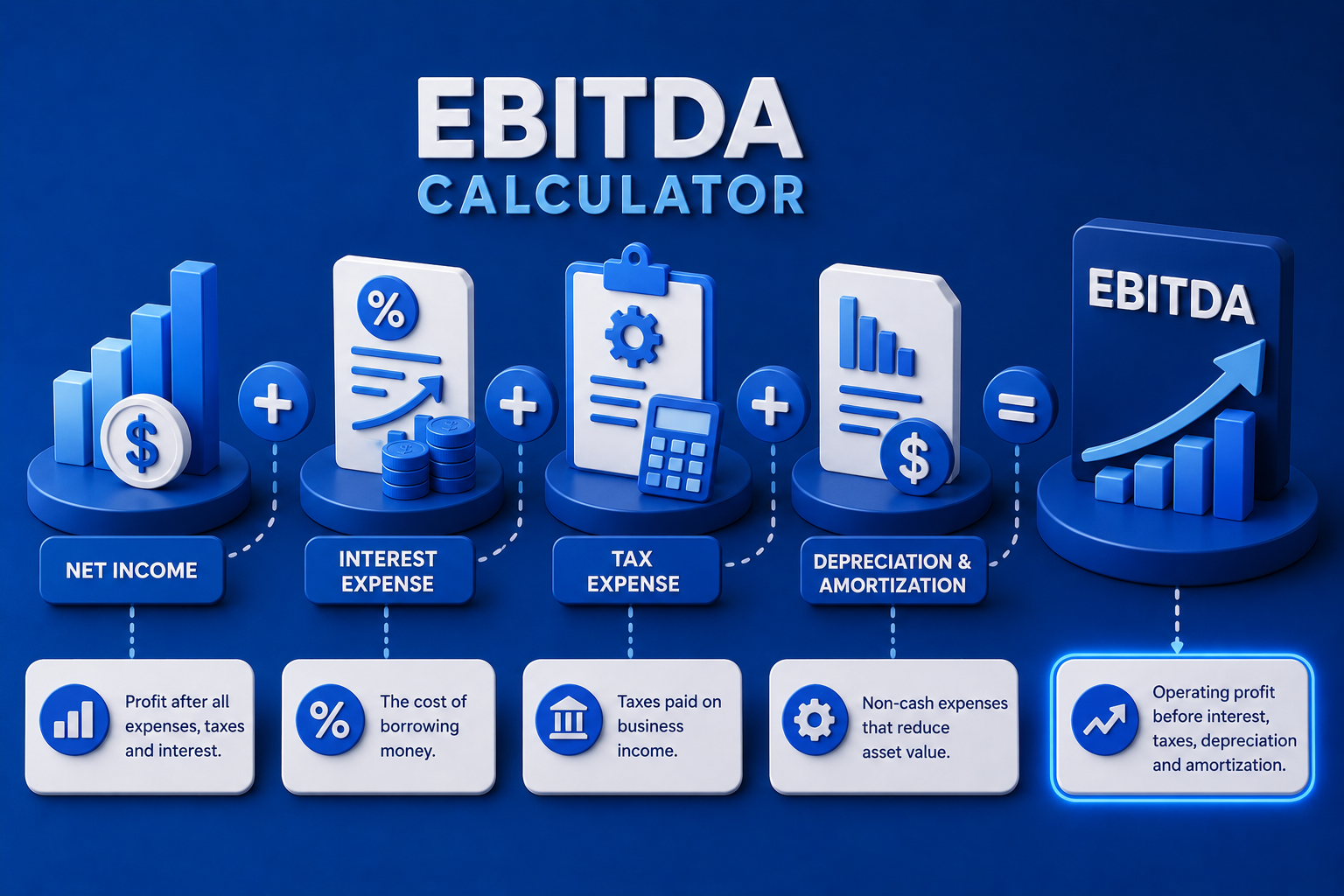
EBITDA Calculator
Calculate EBITDA quickly to evaluate operational performance, improve financial strategy, and measure true business profitability.
Canadian Income Tax Calculator
Estimate tax obligations accurately to maximize deductions, reduce liabilities, and improve financial planning.
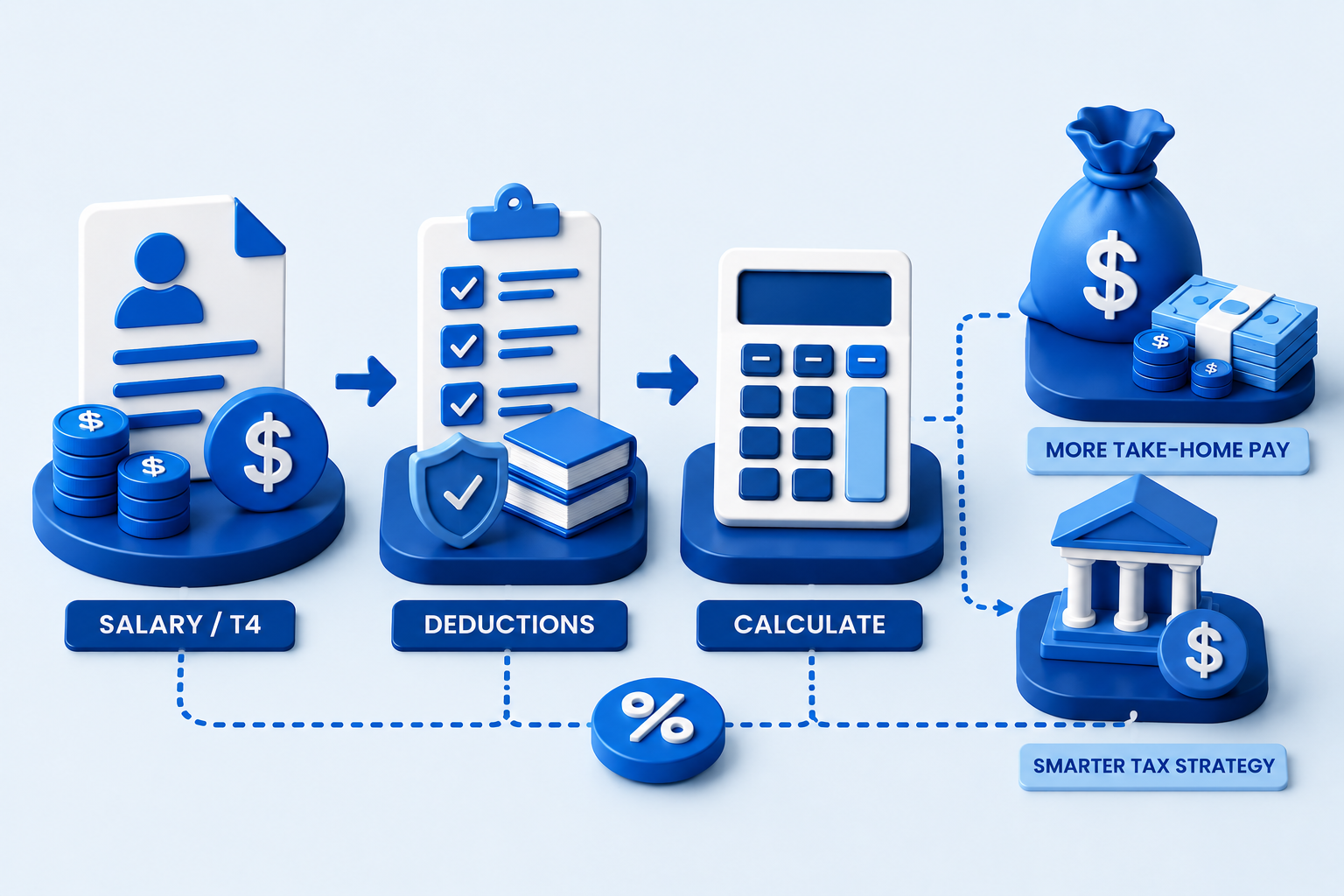
Salary vs. Dividend Calculator
See how much money you could keep in your pocket. Compare salary, dividend, and self-employed income strategies to identify the most tax-efficient option for your situation.
Book Financial Strategy Session
Get expert support and clarity, without the stress.
