
Capital Gains Tax Calculator
Estimate your Canadian capital gains tax in seconds. Calculate your taxable gain, estimated tax payable, and after-tax proceeds using current Canadian capital gains tax rules for every province and territory.
Calculate Your Capital Gain
Determine how much capital gains tax you may owe based on your purchase price, selling price, selling costs, and marginal tax rate.
Inputs
- Rental Properties
- Cottages
- Stocks
- ETFs
- Mutual Funds
- Investment real estate
- Land
- Businesses
- Cryptocurrency
- Precious metals
Currently, 50% of a capital gain is taxable and added to your taxable income.
When you sell a capital asset for more than you originally paid, the profit is known as a capital gain.
Common capital assets include:
What is Capital Gains Tax in Canada?
How Capital Gains Tax Works
Purchase Price
The amount originally paid for the asset.
Selling Price
The amount you sold the asset for.
Selling Costs
Legal fees, commissions and selling expenses reduce your gain.
Marginal Tax Rate
The taxable gain is multiplied by your marginal tax rate to estimate your tax owing.
Capital Gains Formula
Capital Gain =
Selling Price − Purchase Price
− Selling Costs
Taxable Capital Gain =
Capital Gain × 50%
Estimated Tax =
Taxable Gain × Marginal Tax Rate
Example #1
Purchase Price - $300,000
Selling Price - $500,000
Selling Costs - $20,000
Capital Gain - $180,000
Taxable Gain - $90,000
Estimated Tax (53.53%)
Total Tax - $48,177
Example #2
Purchase Price - $50,000
Selling Price - $95,000
Selling Costs - $5,000
Capital Gain - $40,000
Taxable Gain - $20,000
Estimated Tax (53.53%)
Total Tax - $10,706
What Assets Create Capital Gains?
Real Estate
Rental properties, cottages, vacant land
Investments
Stocks, ETFs, Mutual Funds
Businesses
Shares of corporations, business sales
Cryptocurrency
Bitcoin, Ethereum and digital assets
Precious Metals
Gold, silver and collectibles
Other Assets
Certain personal-use property and investments
Ways to Reduce Capital Gains Tax
Tax Planning Strategies
- Offset gains using capital losses
- Time your sale strategically
- Use the Principal Residence Exemption (where applicable)
- Consider charitable donations of securities
- Spread gains over multiple tax years when possible
- Consult a tax professional before selling major assets
Why Use RK4 Accountants?
We Help Canadians Reduce Their Tax Burden
- Capital Gains Planning
- Tax Return Preparation
- CRA Compliance
- Corporate Tax Advice
- Estate Planning Support
- Investment Property Tax Advice
Frequently Asked Questions
Is my principal residence subject to capital gains tax?
Usually not, provided it qualifies for the Principal Residence Exemption.
Is only half of my capital gain taxable?
Yes. Under the current general Canadian rule, 50% of a capital gain is included in taxable income. (Keep this content reviewed over time, as tax rules can change.)
Do selling costs reduce my capital gain?
Yes. Eligible expenses such as legal fees and real estate commissions generally reduce your capital gain.
Do I pay tax immediately after selling?
Generally, capital gains are reported on your income tax return for the year in which the sale occurred.
Does my province matter?
Yes. While the inclusion rate is generally the same federally, the tax you ultimately pay depends on your combined federal and provincial marginal tax rate.
Related Business Calculators
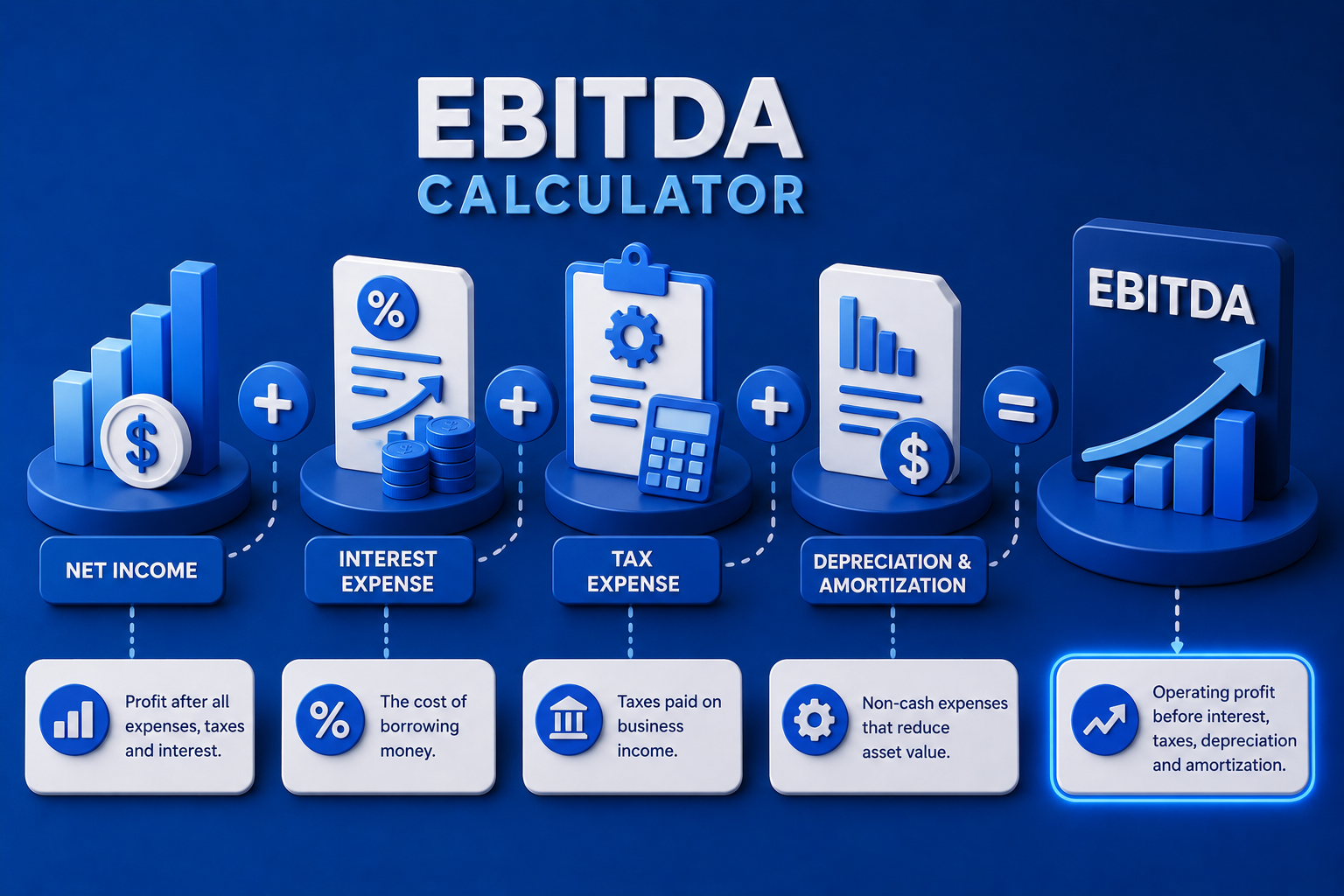
EBITDA Calculator
Calculate EBITDA quickly to evaluate operational performance, improve financial strategy, and measure true business profitability.
Canadian Income Tax Calculator
Estimate tax obligations accurately to maximize deductions, reduce liabilities, and improve financial planning.
Salary vs. Dividend Calculator
See how much money you could keep in your pocket. Compare salary, dividend, and self-employed income strategies to identify the most tax-efficient option for your situation.
Selling an Asset?
Don’t leave thousands of dollars on the table.
Speak with RK4 Accountants before selling investment property, shares, cryptocurrency, or a business. We’ll help you understand the tax implications and explore legitimate strategies to minimize your tax burden.
